Is I-70 the Worst Highway in America? Here’s How to Dodge It
Let me say something nice about Interstate 70 before I spend the rest of this article roasting one stretch of it: I-70 is a genuinely useful road. It runs from Utah to Maryland, it connects some great freight markets, and parts of it are a pleasure to drive. Colorado’s mountain run is gorgeous. Kansas is flat and fast. No complaints.
And then you hit… Indiana.
The Stretch Drivers Love to Hate
If you’ve run I-70 across Indiana, you already know where this is going. That stretch, particularly east of Indianapolis toward the Ohio line, has been voted by drivers, year after year, as one of the worst pieces of highway in the entire country. This isn’t just me griping. In Overdrive’s Truckers’ 2025 Highway Report Card, drivers named Indiana’s I-70 the single worst haul route in America. Of the drivers who voted Indiana the worst state to drive through, the overwhelming majority pointed straight at I-70.
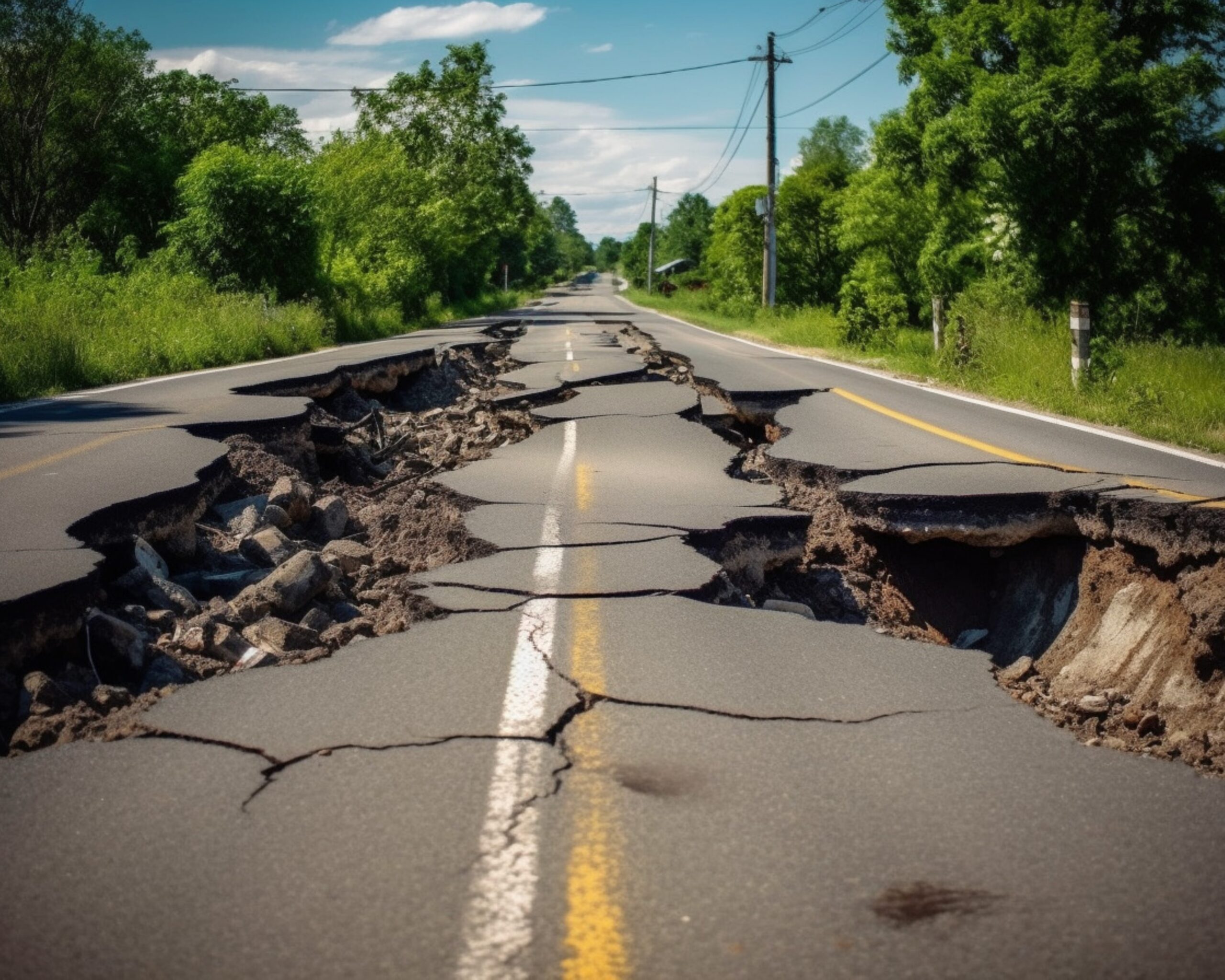
The complaint is always the same: the pavement is beat to death, and the bridge approaches will launch you into orbit. Drivers describe hitting bridge joints so rough they feel like ski jumps. More than a few compare running the Indiana stretch to riding a bucking bronco. Eight seconds of that would win you a belt buckle; eight hours of it wins you a chiropractor appointment. One driver in that survey joked it must be a state law that every I-70 bridge gets a ski ramp built into the approach, complete with a fifteen-foot drop on the other side. (For the record, that is not an actual Indiana law. I checked. It just drives like one.)
I’ve run it. I’ve felt my fillings rattle. I’ve watched a coffee lid pop off from a bridge joint I saw coming and still couldn’t avoid. Drivers report blown tires and busted suspension components on this stretch, and after running it, that’s easy to believe.
The irony? Indiana literally calls itself “The Crossroads of America.” Great slogan. Rough crossroads.
Now They Want You to Pay for It
Here’s the part that would be funny if it weren’t real. Indiana has applied to a federal tolling program to put tolls on I-70 across the entire width of the state, all 156 miles of it, border to border, Illinois line to Ohio line.
The proposed rate for large trucks? Around 54 cents per mile. Do that math across 156 miles and you’re looking at real money to drive the road that drivers just voted the worst in the nation. As of early 2026, the state was still waiting on federal approval, so it’s not a done deal, but the application is real and it’s out there.
Let that sink in. The plan is to charge you a premium to rattle your truck apart on the same pavement that earned the trophy for America’s worst haul route. You can’t script that.
The Bypass: Dipping Through Louisville
So what do you do about it? If you’re running straight across on a tight schedule, sometimes you just grit your teeth, slow down over the bridges, and take your medicine. But depending on where you’re actually headed, there’s a way around it.
Here’s what I do. On the rare occasion I find myself coming out of St. Louis needing to get to Ohio, instead of grinding straight across I-70 through Indiana, I drop southeast toward Louisville on I-64, then cut back north toward Ohio through the Cincinnati area. You hug the Kentucky line for a while and swing south of the worst of it entirely.
Now, full honesty, this isn’t a free lunch. Straight across I-70 from St. Louis to Columbus is about 418 miles. The Louisville dip adds some miles and time. Your mileage may literally vary depending on your exact origin and destination, but figure you’re trading maybe an extra hour and some extra miles for the privilege of keeping your suspension in one piece and your blood pressure in check. Whether that trade is worth it is a per-load decision, but on the days it is, my back thanks me.
Is it “cutting through the mountains”? Not exactly, the real Kentucky mountains are further east. It’s more rolling hills through the Louisville corridor. But it feels like an adventure compared to the flat, punishing slog across central Indiana, and the road quality is a genuine upgrade.
The Best-Defined State Line in America
I’ll leave you with this. There is no more obvious border crossing in the entire country than the moment you leave Indiana and enter Ohio on I-70. You don’t need a sign. You don’t need your GPS to chime. One second you’re getting bucked half out of your seat, and the next the road just goes quiet. Smooth. Peaceful. Your mirrors stop shaking. Your coffee settles. You exhale.
You just know you’re in Ohio. Every driver who’s run it knows exactly the moment I’m talking about. It’s the single most satisfying pavement transition in America, and it exists purely because of how rough the Indiana side is right up to the very last foot.
It’s Not Just Indiana: The Broader Midwest
To be fair, I-70’s Indiana section may wear the crown, but it’s got competition across the Midwest and Northeast. Rough pavement, endless construction seasons, and truck-parking shortages plague a lot of these corridors. The Midwest freight belt keeps America moving, and it takes a beating for it. Indiana just happens to have concentrated the worst of it into one memorable stretch.
And here’s the flip side worth mentioning: some states get it right. In that same driver report card, Florida’s roads ranked among the best in the country, with drivers praising I-75, and Texas and Ohio also landed near the top for road quality. So it’s not that good highway is impossible. It’s that Indiana’s I-70 has become the national benchmark for how rough it can get.
The Bottom Line
I-70 isn’t all bad. Most of it, I’d happily drive tomorrow. But that Indiana stretch has earned its reputation the hard way, one busted bridge joint at a time, and now there’s talk of charging you to enjoy it. Know it’s coming, slow down over the bridges, keep your following distance, and if the route and the clock allow it, don’t be afraid to take the scenic dip through Louisville.
Wherever you end up parking for the night after a run like that, our guide to truck parking in highway rest areas can help you find a spot to recover, and if the weather’s turning, our winterizing your truck guide will keep you ready for whatever the road throws next.
If you’re looking for a carrier that values compliance and treats its drivers right, schedule a call with M2GT and let’s talk about what we can offer you. You can also visit our Owner Operator page for more information.
If you enjoyed this article, please check out our other stories from the road and our Trucking 411 articles — Keep the Shiny Side Up!