What Is Expedited Freight?
Expedited freight is time-critical shipping that moves direct from pickup to delivery — no terminals, no waiting docks — for customers paying a premium for speed and certainty. Here’s how it differs from standard OTR, and what it means for your paycheck.
Built by drivers, for drivers. Here’s the straight version of what expedited freight actually is — and why it runs differently than the OTR you might already know.
If you’ve spent any time in trucking, you know what over-the-road (OTR) freight looks like: pick up a loaded trailer, run it across the country, drop it, grab the next one (or live load / unload). Expedited freight lives in the same industry, but the rhythm is completely different. At Miles 2 Go Transport, expedite is all we do — we run exclusively for FedEx Custom Critical — so this is the explainer we wish more drivers had before they applied anywhere.
What Is Expedited Freight?
Expedited freight is time-critical shipping. Instead of moving general freight on a standard schedule, expedite carriers move shipments that absolutely have to be somewhere fast: a production line that’s down, a medical shipment, aerospace parts, high-value or temperature-sensitive cargo. The customer is paying a premium for speed, security, and certainty, which changes everything about how the load runs. It’s also why credentials matter here. A HazMat endorsement or TWIC card opens up more of this premium freight and more pay.
Because the freight is urgent, expedite loads don’t have much “extra” time built. The shipment usually goes direct: one pickup, one delivery, no terminals, no freight sitting on a dock for two days. Speed is the whole product.
Expedite vs. Regular OTR: The Real Differences
On paper they look similar — both are long-haul trucking, both keep you out for stretches at a time. In practice, here’s where expedite diverges:
1. You wait, then you run
This is the single biggest adjustment, and the one nobody warns rookies about. In standard OTR, there’s usually a next load lined up. In expedite, you sometimes stage in a good freight area, longer than normal deadhead, and live load / unload take time. When it comes, you move now. The waiting is part of the job — not a bug, a feature of how premium-speed freight works.
2. Direct, time-critical loads
Expedite shipments are typically point-to-point with hard delivery windows. There’s less hooking and dropping, fewer multi-stop produce runs, and a lot more “this part keeps a factory running, get it there.”
3. Teams are common — and they matter more
Because the freight can’t wait for a single driver’s 10-hour reset, a lot of expedite freight moves as a team: one drives while the other rests in the sleeper, keeping the truck legal and moving nearly around the clock. That’s where the federal sleeper berth provision comes in — under current FMCSA Hours of Service rules, drivers can split their required 10 hours off duty into two qualifying periods (an 8/2 or 7/3 split), which is what makes continuous team movement possible while staying compliant. (We wrote a whole separate piece on team truck driving if you want the deep dive.)
4. The pay model can be very different
This is the one we feel strongest about. Traditional trucking lives and dies on cents-per-mile (CPM) — more miles, more money; slow week, thin paycheck. Expedite, with all its built-in wait time, punishes the CPM model brutally. A week with two big runs and a lot of sitting can gut a mileage-based paycheck through no fault of the driver.
That’s exactly why M2GT pays a weekly salary instead of CPM. A slow week and a busy week pay the same. You’re not financially penalized for the waiting that expedite requires. (If you want to see how that math compares head-to-head, our CDL pay breakdown walks through it.)
What Kinds of Trucks Run Expedite?
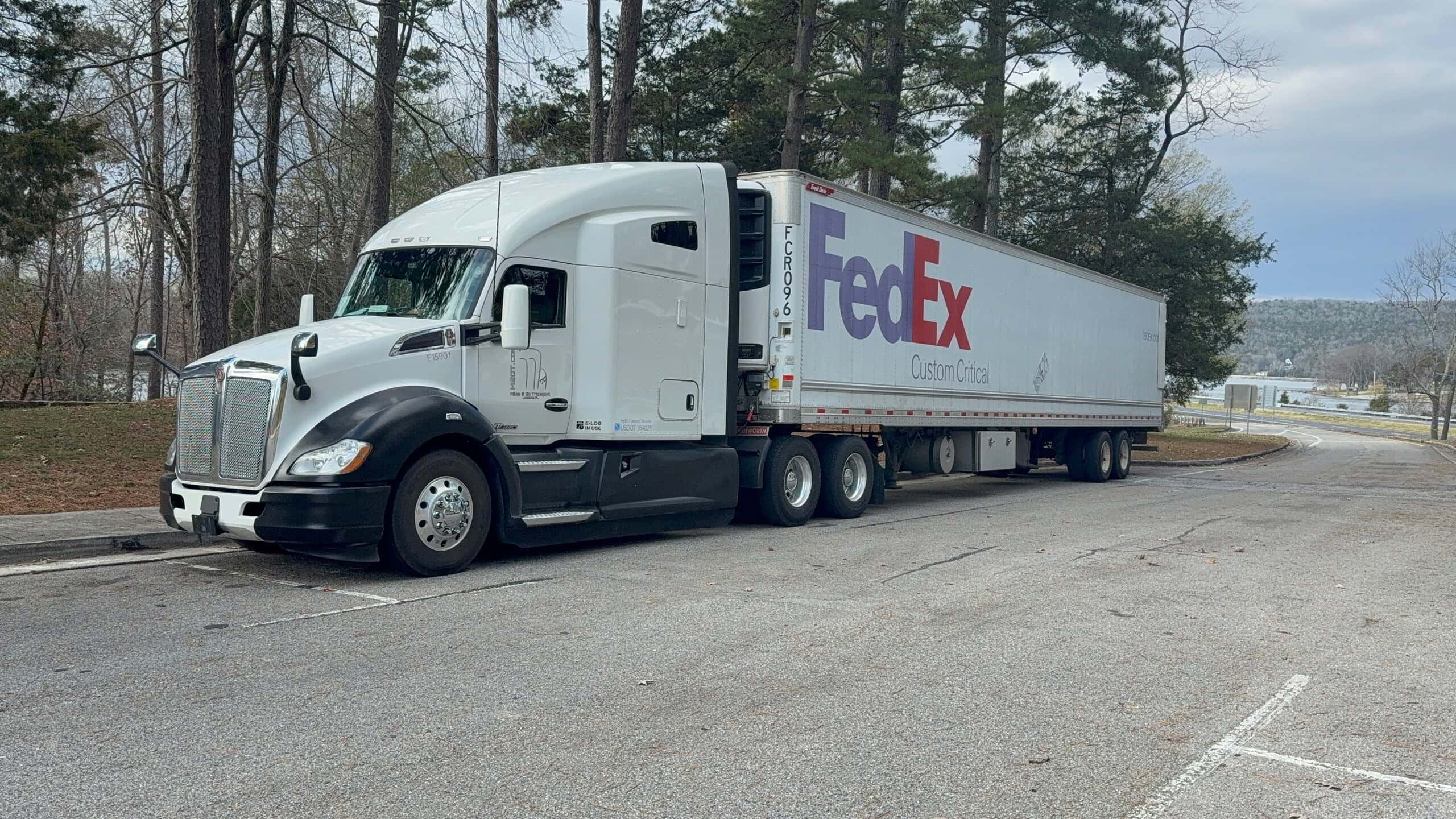
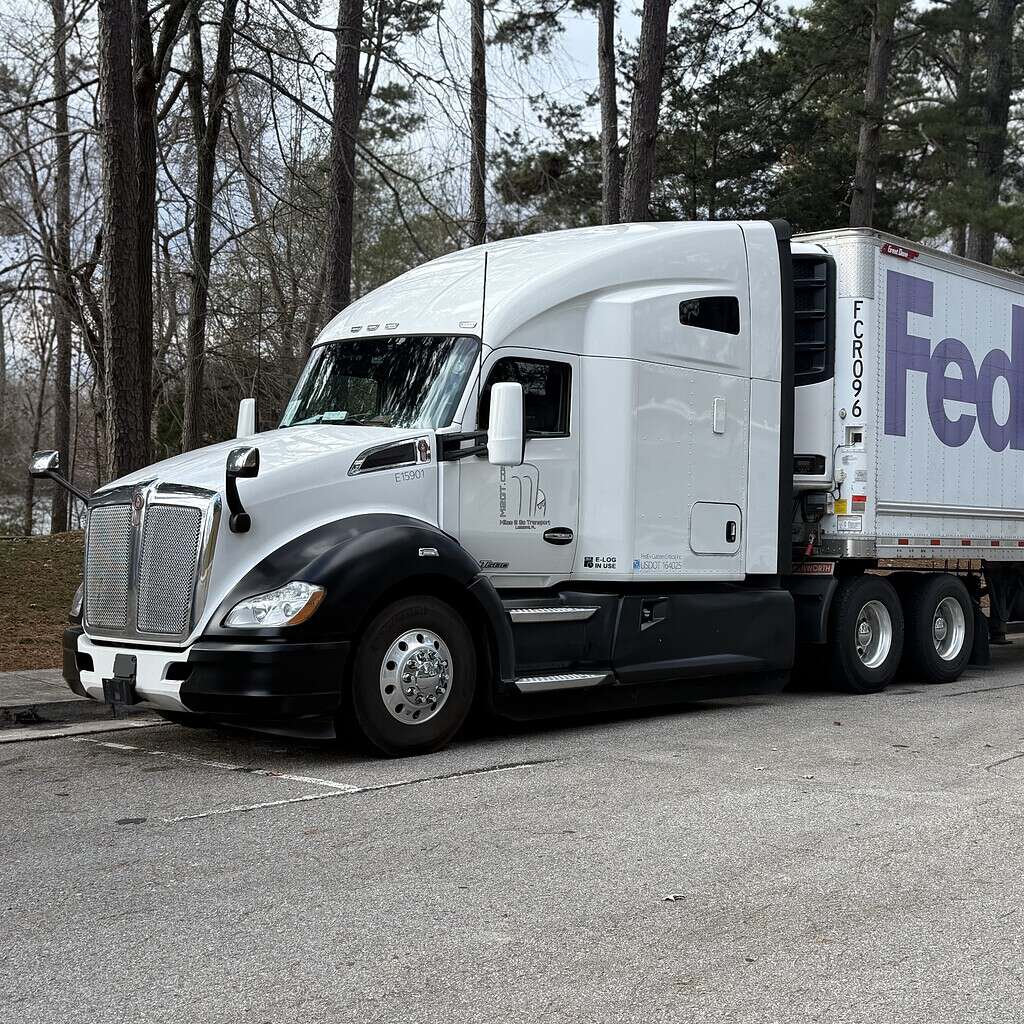
Expedite covers a wider range of equipment than standard OTR. Depending on the carrier and the freight, you’ll see cargo vans and Sprinters for smaller urgent shipments, straight trucks (box trucks with sleepers) for mid-size loads, and full tractor-trailers for truckload expedite. FedEx requires all of the trucks that run for them to have sleepers since its team OTR Expedite work. At M2GT we run late-model tractors — Kenworth T680 Next-Gen and Peterbilt 579 — for FedEx Custom Critical truckload freight.
Who Is Expedite Right For?
We’ll be honest, the way we wish someone had been with us: expedite isn’t for everyone. If your whole sense of a good week is logging maximum miles, the wait time will frustrate you. BUT, if you value direct loads, no forced dispatch, premium freight, light weight loads and — especially — a pay model that doesn’t punish you for the slow stretches, it’s one of the best lanes in the industry.
It tends to fit drivers who:
- Are comfortable with stretches of waiting between high-priority runs
- Run as a team (often a couple, family members or same household)
- Like the dignity of hauling freight that actually matters
The Honest Bottom Line
Expedited freight trades the constant grind of mileage for the rhythm of wait, then run hard. The carriers who do right by their drivers build a pay structure around that reality instead of pretending it doesn’t exist. That’s the whole reason M2GT exists the way it does — we came out of corporate burnout, we’ve sat in that truck, and we built the company we’d want to drive for.
Expedited freight is time-critical shipping that moves direct from pickup to delivery — no terminals, no multi-stop routing — for customers paying a premium for speed and certainty. Typical loads include parts for down production lines, medical shipments, aerospace components, and high-value or temperature-sensitive cargo.
Expedite runs in a “wait, then run” rhythm: drivers stage in freight areas between loads, then move immediately when a time-critical shipment comes in. Loads are direct and point-to-point with hard delivery windows, teams are far more common, and the built-in wait time means cents-per-mile pay punishes drivers — which is why some expedite carriers pay weekly salary instead.
Pay varies by carrier and model. At M2GT, solo drivers start at $2,050 per week and teams at $4,100 per week per truck, paid as 1099 salary regardless of miles run — roughly $0.91 to $1.17 per mile equivalent at typical mileage. A salary model means a slow freight week pays the same as a heavy one — see our Driver Pay page for the full breakdown.
Expedite spans cargo vans and Sprinters for small urgent shipments, straight trucks with sleepers for mid-size loads, and full tractor-trailers for truckload expedite. FedEx Custom Critical requires sleeper-equipped trucks for its team expedite work, since the freight runs nearly around the clock.
Want to go deeper on the rules and lifestyle that surround expedite, the official FMCSA Hours of Service regulations are worth a read, and FedEx’s own FedEx Custom Critical page explains the premium-freight side of what we haul.
If you’re looking for a carrier that values compliance and treats its drivers right, schedule a call with M2GT and let’s talk about what we can offer you. You can also visit our Owner Operator page for more information.
If you enjoyed this article, please check out our other stories from the road and our Trucking 411 articles — Keep the Shiny Side Up!