DOT Roadside Inspections and Practical Maintenance Tips

The Department of Transportation (DOT) conducts roadside inspections to ensure commercial motor vehicles (CMVs) comply with federal safety regulations. These inspections, governed by the Federal Motor Carrier Safety Administration (FMCSA), aim to enhance road safety by identifying and addressing vehicle and driver violations. Understanding the types of inspections and implementing preventative maintenance can significantly reduce the likelihood of being pulled over and facing penalties. This article explores the different types of DOT roadside inspections and offers practical maintenance tips to keep your vehicle compliant and road-ready.
Types of DOT Roadside Inspections
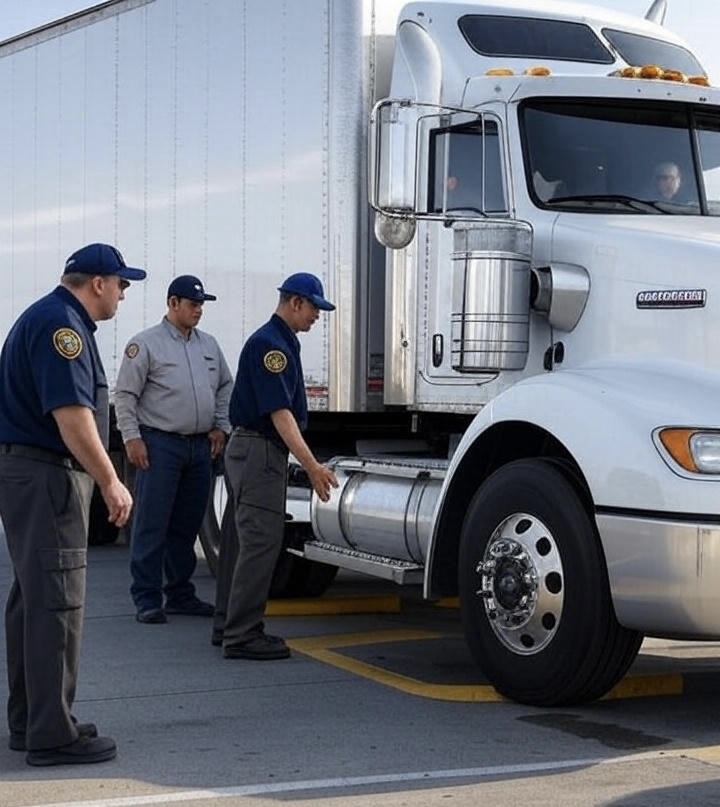
DOT roadside inspections vary in scope and focus, ranging from comprehensive vehicle and driver checks to targeted evaluations. Below are the primary types of inspections, as defined by the FMCSA:
1. Level I: North American Standard Inspection
The Level I inspection is the most thorough, covering both the driver and the vehicle. Inspectors examine:
- Driver credentials: Commercial driver’s license (CDL), medical certificate, hours-of-service (HOS) logs, and drug/alcohol testing records.
- Vehicle components: Brakes, tires, lights, steering, suspension, fuel systems, and cargo securement.
- Safety equipment: Fire extinguishers, reflective triangles, and seat belts.
This inspection typically takes 45 to 60 minutes and is conducted without prior notice, often at weigh stations or roadside checkpoints. Because your HOS logs are front and center in a Level I, it pays to know your ELD and Hours of Service rules cold before you ever get waved in.
2. Level II: Walk-Around Driver/Vehicle Inspection
Less comprehensive than Level I, the Level II inspection focuses on driver documentation and a visual check of the vehicle’s exterior. Inspectors may examine:
- Driver’s license, logbook, and medical card.
- Visible vehicle components, such as tires, lights, and brakes, without crawling under the vehicle.
This inspection is quicker, usually lasting 20 to 30 minutes, and is common when time or space is limited.
3. Level III: Driver-Only Inspection
The Level III inspection focuses solely on the driver, checking:
- CDL, medical certificate, and HOS compliance.
- Seat belt usage and signs of impairment.
This inspection does not involve vehicle checks and is often conducted to verify driver compliance during routine stops.
Other Inspections
Levels I through III are the most common inspections, although the Commercial Vehicle Safety Alliance details all 8 levels at this link.
Why Do Vehicles Get Pulled Over for Inspections?
DOT inspections are often triggered by visible issues, random selection, or data-driven factors. Common reasons include:
- Visible defects: Faulty lights, worn tires, or improper cargo securement.
- Driver behavior: Speeding, erratic driving, or failure to wear a seat belt.
- Carrier history: Companies with poor safety ratings or high violation rates may face increased scrutiny.
- Random selection: Inspectors may conduct random checks at weigh stations or designated inspection sites.
- Electronic screening: Technologies like PrePass or Drivewyze may flag vehicles based on safety scores or registration issues.
Violations found during inspections can result in fines, out-of-service orders, or points on a carrier’s Compliance, Safety, Accountability (CSA) score, impacting future operations and insurance rates.
One spot a lot of drivers don’t expect an inspection: parked at a rest area. Officers can and do check commercial vehicles at public rest areas, so it’s worth knowing your rights and the right way to handle it. We cover that specific scenario in our guide to truck parking in highway rest areas.
Preventative Maintenance to Avoid DOT Roadside Inspections
Proactive maintenance and compliance practices can minimize the risk of being flagged for a DOT inspection. Below are key strategies to keep your vehicle and driver records in top shape:
1. Conduct Regular Pre-Trip and Post-Trip Inspections
Drivers must perform pre-trip and post-trip inspections, as required by FMCSA regulations (49 CFR 396.11). Check the following:
- Lights and reflectors: Ensure headlights, taillights, turn signals, and reflectors are clean and functional.
- Tires: Inspect for proper tread depth (at least 4/32″ for steer tires, 2/32″ for drive and trailer tires), cuts, or bulges.
- Brakes: Test air brake systems for leaks and ensure brake pads/shoes are within acceptable wear limits.
- Fluids: Check oil, coolant, and windshield washer fluid levels.
- Cargo securement: Verify that loads are properly secured to prevent shifting or falling.
- Airlines and pigtail: Make sure your airlines and pigtail are not dragging on the catwalk or rubbing anywhere to cause damage.
Document any issues and address them promptly to avoid violations.
2. Maintain a Robust Preventative Maintenance Schedule
Establish a regular maintenance program to address wear and tear before it becomes a violation. Key areas include:
- Brake system: Replace worn brake components and ensure air systems maintain proper pressure.
- Tires and wheels: Rotate tires regularly, check alignment, and replace tires before tread wear reaches unsafe levels.
- Suspension and steering: Inspect for loose or worn components that could affect vehicle control.
- Exhaust system: Check for leaks or excessive emissions, which can trigger environmental violations.
Keep detailed maintenance records, as inspectors may request them during a Level I or V inspection. Heading into cold months, it’s also worth reviewing our winterizing your truck guide, since winter conditions put extra strain on exactly these systems.
3. Ensure Driver Compliance
Driver-related violations are a common reason for inspections. To stay compliant:
- Maintain an up-to-date CDL and medical certificate.
- Use an electronic logging device (ELD) to accurately track HOS and avoid falsification penalties (not required for all trucks; older trucks can be exempted).
- Avoid distractions like handheld cell phone use, and ensure seat belts are always worn.
- Train drivers on FMCSA regulations and safe driving practices.
4. Monitor Vehicle Appearance
A clean, well-maintained vehicle is less likely to attract attention. Regularly wash the truck to keep lights and reflectors visible, and repair any visible damage, such as cracked windshields or dented bumpers. I have an account with Blue Beacon so my drivers can get their trucks washed twice a month and the engine washed once per month.
5. Leverage Technology
Use tools like ELDs, tire pressure monitoring systems (TPMS), and fleet management software to stay ahead of potential issues. Systems like PrePass can help you bypass inspection stations if your safety score is strong.
6. Stay Informed on CSA Scores
Monitor your carrier’s CSA score through the FMCSA’s Safety Measurement System (SMS). High scores in categories like Vehicle Maintenance or HOS Compliance increase the likelihood of inspections. Address violations promptly to improve your score.
The Impact of Violations
Failing a DOT inspection can lead to:
- Out-of-service orders: Vehicles and/or drivers deemed unsafe must be repaired or rested before continuing.
- Fines: Penalties vary by violation but can accumulate quickly.
- Increased CSA scores: Violations raise your carrier’s risk profile, leading to more frequent inspections.
- Reputation damage: Poor safety ratings can affect customer trust and insurance costs.
By prioritizing preventative maintenance and compliance, you can reduce these risks and keep your operations running smoothly.
Conclusion
DOT roadside inspections are a critical part of ensuring road safety, but they can disrupt operations if your vehicle or driver is unprepared. By understanding the different types of inspections, ranging from comprehensive Level I checks to driver-focused Level III evaluations, you can better prepare for what inspectors look for. Implementing a robust preventative maintenance program, conducting thorough pre- and post-trip inspections, and ensuring driver compliance are the keys to avoiding roadside stops. Stay proactive, keep detailed records, and leverage technology to maintain a safe, compliant fleet. A well-maintained vehicle and an informed driver are your best defenses against DOT violations and costly downtime.
If you’re looking for a carrier that values compliance and treats its drivers right, schedule a call with M2GT and let’s talk about what we can offer you. You can also visit our Owner Operator page for more information.
If you enjoyed this article, please check out our other stories from the road and our Trucking 411 articles — Keep the Shiny Side Up!