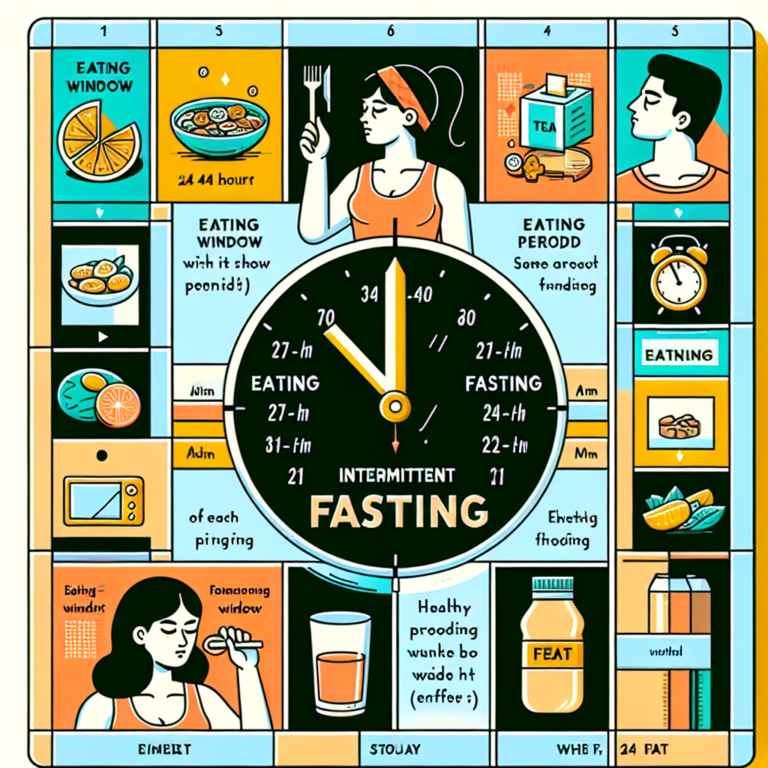

Our First 100-Hour Fast

My husband and I decided to try a 100-hour fast together, and I want to share how it actually went: what we felt, what surprised us, what we’d do differently, and why we went into it in the first place. This is our real experience, not a how-to manual, and there’s an important difference between the two that I’ll get to right away.
Please read this first. An extended multi-day fast is a serious thing, not a casual diet tweak. It is not right for everyone, and for some people it’s genuinely dangerous. Do not attempt an extended fast if you are under 18, pregnant or breastfeeding, underweight, diabetic, on medications that require food, or if you have any history of an eating disorder. Even if none of those apply, talk to your doctor before attempting anything like this. I’m a truck driver sharing a personal experience, not a medical professional, and nothing here is medical advice. I’ll be honest later about a couple of things we did that, in hindsight, we should have done differently.
Why We Wanted to Try It
I’ve practiced intermittent fasting for several years, so shorter fasts are familiar territory for me. My hubby was a fasting newbie. We’re both in our 50s, and to be honest we were more interested in the potential health and cellular-repair benefits than in weight loss.
I’ll be careful here, because this is exactly where a lot of fasting content oversells. Proponents and some research associate longer fasts with things like improved metabolic health, cellular repair processes such as autophagy, and reduced inflammation. That research is genuinely interesting, but it’s still developing, a good deal of it comes from animal studies, and the human evidence is far from settled. So I’d treat the bold claims you read online, mine included, as “promising, not proven.” We went in curious, not certain.
How We Prepared (and What We’d Change)
Here’s my first honest confession: we didn’t ease in the way the guidance generally recommends, and we didn’t consult a doctor beforehand. We’re both in reasonable health and went in somewhat on determination alone. Looking back, easing in with some shorter fasts and a few low-carb days first, and at least running it past a doctor, would have been the smarter play. If you take anything from our prep, let it be “do as we say, not as we did” on that point.
The things that genuinely mattered during the fast:

- Hydration and electrolytes. This is the big one. When you’re not eating for days, staying hydrated and keeping your electrolytes balanced is critical, and getting it wrong is where people run into real trouble. We used water and an electrolyte mix (LMNT was our choice). The right amounts genuinely depend on your body and your health, which is one more reason this is a talk-to-your-doctor topic rather than something to eyeball from a blog.
- Timing it around home. As truck drivers, we deliberately chose a stretch when we were home and off the road, not out driving. That mattered. You do not want to be behind the wheel while testing how your body handles an extended fast.
- A tracking app. I use the Zero app to track my fasting windows, and I set it to count down our 100-hour target so we could see the finish line.
- A few tools for the hard moments. We kept the option of a little bone broth or black coffee in our back pocket in case we needed to take the edge off. (As it turned out, neither of us used them.)
What It Was Actually Like
The First 48 Hours
For me, the first 24 hours weren’t bad. I’ve done plenty of 24-hour fasts, so my body knows the drill. It was harder on my hubby, as expected for a first-timer. Honestly, the second 24 hours were the toughest part of the whole fast for both of us.
The mental side is real. When my body said it was hungry, I’d basically answer it: “You’re fine, we’ve got this.” That self-talk sounds silly, but it genuinely helps. When I felt a headache coming on, more water and electrolytes usually took care of it. We were both tired in this stretch and ended up sleeping more, including a nap on the second day.
48 to 96 Hours

This part was a little easier, at least mentally. Around 60 hours in, my hubby had lost about 6 pounds and I was down about 2.5, and we both noticed visible changes. I had a couple of headaches in here. One cleared up with more hydration, and for the other I took a couple of ibuprofen along with more water. My hubby had no headache trouble at all, which we chalked up to the fact that he was drinking far more water than I was. Lesson noted.
The Home Stretch (or Not Quite)
I’ll be straight with you: we didn’t actually make the full 100. At around 89 hours my energy was simply gone. I tried to push through for a bit, but on this first attempt we called it at just over 90 hours. My hubby finished down about 9 pounds and I was down about 3.5.

And you know what? Stopping at 90 instead of 100 was completely fine. One of the most important things I can pass along is that the number is not the point, and pushing your body past what it’s telling you is not a badge of honor. Listening to yourself is the win.
Breaking the Fast: The Part to Take Seriously
If there’s one section not to treat casually, it’s this one. Coming off an extended fast has to be done gently. Refeeding syndrome, where the body reacts badly to food coming back too fast after a prolonged fast, is a real and potentially dangerous medical condition. This is not the moment for a big celebratory meal.
The general principle is to start very small and gentle and reintroduce food gradually over a day or more, continuing your fluids and electrolytes as you go. But because getting this wrong genuinely carries risk, I’d point you to reputable medical sources (or your doctor) for the specifics rather than treating a blog post as your guide. I want to name the risk clearly; I don’t want to be your instruction manual for managing it.
What We Took Away
We both felt good about the experience overall, and we’re planning to do it a couple of times a year. My hubby went in hoping the gut rest might help with the heartburn he’d been managing with a generic Nexium, and that’s something we’re keeping an eye on over time.
More than any single benefit, what stuck with me was the mental side: the discipline, the teamwork of doing it alongside my husband, and the reminder that I can set a hard goal and adjust with grace when my body has other ideas. If you’re drawn to try something like this, please do it thoughtfully, with your doctor in the loop, easing in and out properly, and always ready to stop when your body says so. That’s the honest version, and it’s the only version I’d feel right sharing.
If you’re curious about the gentler, everyday side of this, my post on the benefits of intermittent fasting covers the eating-window approach I use day to day, which is a far more accessible place to start than a multi-day fast.
If you’re looking for a carrier that values compliance and treats its drivers right, schedule a call with M2GT and let’s talk about what we can offer you. You can also visit our Owner Operator page for more information.
If you enjoyed this article, please check out our other stories from the road and our Trucking 411 articles — Keep the Shiny Side Up!