

Benefits of Intermittent Fasting
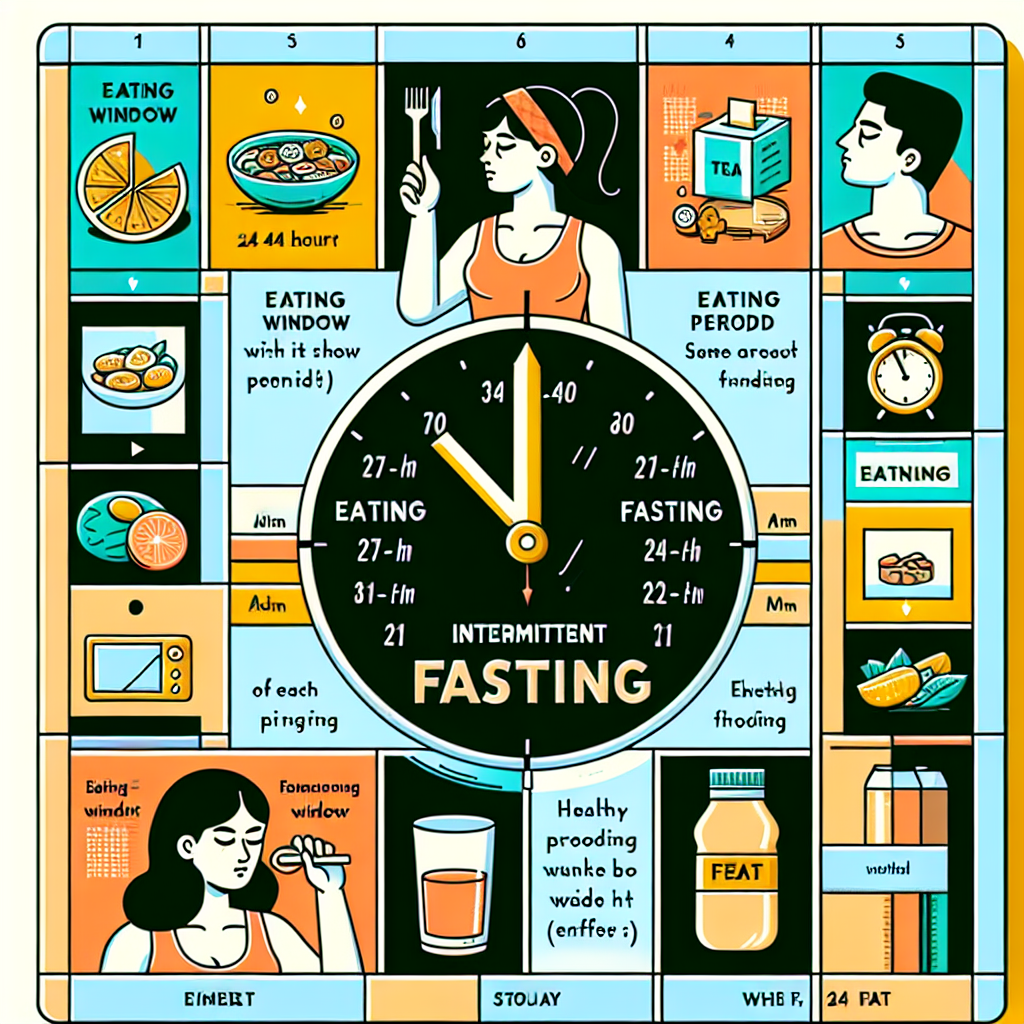
Ever stumbled upon a concept that made you pause and think, “Hmm, maybe I should give this a try”? That’s how I felt when I first heard about intermittent fasting. I’m an OTR truck driver who has always struggled with my weight and with being hangry. I needed a solution that would work with my schedule, my goals, and the nature of my work, and not just another “diet.” So, what is intermittent fasting? Let’s dive in and discover the benefits and some tips to get you started.
One quick note before we start: I’m a truck driver sharing what’s worked for me, not a doctor or dietitian. Intermittent fasting isn’t right for everyone. If you’re pregnant, take medications, have diabetes or another medical condition, or have any history of disordered eating, please talk with a healthcare professional before changing how you eat. What follows is my experience, not medical advice.
What is Intermittent Fasting?
Intermittent fasting is not just another diet fad; it’s an eating pattern where you cycle between periods of eating and fasting. Unlike traditional diets that focus on what foods you should consume, intermittent fasting shifts the focus to the timing of your meals. This approach allows for flexibility in food choices while emphasizing eating windows. The approach varies depending on the type of fasting you choose. Some popular methods include the 16/8 method, where you fast for 16 hours and eat during an 8-hour window, and the 5:2 method, where you eat normally for five days and restrict calories for two. These methods have drawn attention not only for their simplicity but for the potential health benefits they may offer.
Part of the appeal of intermittent fasting is its adaptability. It doesn’t require you to eliminate certain food groups, which can often be a stumbling block in other diets. Instead, it allows for a balanced diet during eating windows, which for me has promoted a healthier relationship with food.
Historically, when food was more scarce, something like intermittent fasting is closer to how humans actually ate. I’ve come to believe it’s a more natural answer to how we “diet” in the modern world.
Why Consider Intermittent Fasting?
The Science Behind the Fast
When you fast, several things happen in your body on the cellular and molecular level. Your body adjusts hormone levels to make stored body fat more accessible, and insulin levels drop, which facilitates fat burning. Research also suggests that fasting can initiate cellular repair processes, including autophagy, where cells clear out damaged components. Studies indicate this may support longer-term cellular health, though much of the research is still developing and a lot of it comes from animal studies.
Researchers have also observed hormonal changes during fasting that support metabolic health, including increases in growth hormone and norepinephrine, both associated with fat metabolism. The science here is genuinely interesting, but it’s still an evolving field, so I’d take the bold claims you see online (mine included) as “promising, not proven.”
Weight Loss and Metabolic Health
One of the main reasons people try intermittent fasting is for weight loss. By eating within a shorter window, many people naturally end up consuming fewer calories. The structured eating window can also help reduce the unnecessary snacking that often contributes to weight gain. For me, that was the big one.
Intermittent fasting has also been associated with metabolic benefits. Studies have linked it to improved insulin sensitivity, lower blood sugar, and reduced inflammation, which may lower the risk of type 2 diabetes for some people. As always, individual results vary, and these are associations rather than guarantees.
Simplicity and Convenience
Following a traditional diet can be complicated, with meal plans, calorie counting, and food weighing. In contrast, intermittent fasting is more straightforward for me. It involves less planning and can save time, which makes it easier to stick with over the long haul. By cutting down on constant meal prep, it offers a more relaxed approach to eating.
The simplicity also reduces decision fatigue. With fewer meals to plan and prepare, you can put that energy elsewhere, which is a real advantage on a busy driving schedule.
Tips for Getting Started
Choose Your Fasting Method
Start by picking a method that fits your lifestyle. I started with the gentlest window, 14/10. I didn’t lose any weight on a 14/10 window, but I didn’t gain any either, and it eased me into the concept. For those who prefer less frequent fasting, the 5:2 method offers a different rhythm. The best method is the one you can maintain consistently.
Experiment to find what feels best for your body. Some people do well on a shorter eating window; others prefer a longer one. The key is to listen to your body’s signals and adjust. Flexibility is what makes it sustainable.
Stay Hydrated

During fasting periods, staying hydrated matters. Water, tea, and coffee (without sugar or cream) are great options and can help curb hunger and keep your energy up. Herbal teas are a nice addition too. I also occasionally use an electrolyte drink like LMNT.
Dehydration can lead to fatigue and headaches, which make fasting harder than it needs to be. Prioritizing fluids supports your body and makes the whole thing more comfortable.
Listen to Your Body
This is the big one. Fasting is not about enduring hunger or feeling miserable. If you feel weak or unwell, eat something and take a break from fasting. Adjust your schedule as needed. Fasting should be a positive addition to your life, not a source of stress, and definitely not something you white-knuckle through when your body is telling you to stop.
Use Technology
There’s an app for everything these days, including fasting. A fasting app can help you track your window and progress, with reminders and a sense of community. I use Zero, which has both a free and paid version, to track my fasting window.
Be Patient
Like any lifestyle change, results take time. Be patient and give your body time to adjust. Consistency matters more than intensity, so celebrate the small wins and let the rest follow. Initial challenges are normal as your body acclimates to a new eating pattern.
Exercise
I’ve found it works better for me to exercise during my fasting window than my eating window. Light exercise at the start of the fasting window can help you work through your last meal a bit faster, and exercise later in the window, when you’re in the fat-burning stretch, can give that a boost. As always, if you feel lightheaded, stop.
Types of Fasting
16:8 Method – My Method
This method involves fasting for 14 to 16 hours a day and keeping your eating window to 8 to 10 hours. Within that window, you can fit two, three, or more meals. It’s simple and sustainable, and can be as easy as not eating after dinner and skipping breakfast. It’s often recommended for beginners because it’s flexible and easy to implement.
The 16/8 method also aligns reasonably well with natural circadian rhythms. Eating during daylight and fasting overnight suits a lot of people, though as a night-shift driver I’ve had to adapt that to my own schedule (more on that below).
5:2 Method
In the 5:2 method, you eat about 500 to 600 calories on two non-consecutive days of the week and eat normally the other five. It offers a balance between calorie restriction and regular eating that some people find easier to maintain than daily fasting, and it lets you pick your fasting days around your schedule.
Eat-Stop-Eat
Eat-Stop-Eat involves a 24-hour fast once or twice a week, for example dinner one day to dinner the next. It’s simple and requires no calorie counting, but a full 24 hours is a real step up in difficulty. If you try it, make sure you’re eating well on non-fasting days to support your overall nutrition.
Alternate-Day Fasting
In alternate-day fasting, you fast every other day, with some versions allowing about 500 calories on fasting days. This one is fairly extreme, and most people don’t recommend it for beginners. It’s better suited to experienced fasters or those working with a doctor, and it’s worth being honest with yourself about whether you actually need to go that far. For most people, you don’t.
Personal Experience: My Journey with Intermittent Fasting
I chose the 14:10 method to start. One of my challenges is that I’m a team truck driver on the night shift, so with intermittent fasting I eat during daytime hours and don’t eat during most of my night shift. This was difficult at first, since it limits me to water and black coffee while I drive, and I was used to eating roughly every 4 hours because I’d always heard that’s what prevents “metabolic slowing.” That turned out to be a myth for me.
As my body adjusted, it got easier, and my tendency toward being hangry went away. I gained a real sense of accomplishment and confidence in my ability to build a new habit. I stuck with 14:10 for almost a year and, while I wasn’t gaining weight, I wasn’t losing either. So I dug into the research and realized I needed to push a bit harder for the results I wanted.
Moving Forward
I moved to the 16/8 method as my minimum, but I usually target 18/6, and some days I hit 20/4 or better. It turns out the fasting window matters more than the eating window, which I didn’t understand at the start. I bought a Garmin Index S2 scale to track my weight, BMI, muscle mass, and hydration, because I wanted to be sure I was losing fat and not muscle. I need my strength for the physical side of truck driving, even though I spend so much of the day sitting.
My Honest Advice
I treat this as a lifestyle change, so I move at a pace that stays comfortable. I’m pretty settled into it now, but some days are still harder than others, and I try not to push too hard on those days. I don’t want it to feel like a grind. When I’m struggling, I distract myself with games, entertainment, or a bit of exercise, and the hunger fades into the background.
As a driver, I can exercise on the road or when stopped. In the truck I’ll do sit-ups, planks, and other calisthenics. At rest areas I walk my dog just to get moving. On long stretches I try to get a little movement in whenever I stop.
The real reason this works for me: when I sit down to eat, I find it genuinely hard to control how much I eat, and I love junk food and fast food. For me, it’s easier to control my window than to control the quantity and quality of what I eat. That’s not a license to “go nuts,” but being able to indulge occasionally is exactly what makes this more sustainable for me than a traditional diet.
If you want to go deeper on the eating side of the equation, our truck meal planning guide covers how my husband and I actually feed ourselves (and the dogs) on the road, and my post on staying awake and alert explains how fasting fits into my night-driving routine. If you’re curious about longer fasts, I’ve also documented our first attempt at a 100-hour fast, though that’s a much bigger and more serious undertaking that deserves real preparation and caution.
Conclusion
Intermittent fasting has offered me real benefits, from weight management to a much healthier relationship with food, all in a way that fits the strange schedule of a night-driving trucker. Whether you’re looking to lose a few pounds or just simplify your eating, it might be worth exploring. The most important things are to find a schedule that works for you, to approach it with patience and self-compassion, and to check with a professional if you have any health concerns. Happy fasting, and keep the shiny side up!
If you’re looking for a carrier that values compliance and treats its drivers right, schedule a call with M2GT and let’s talk about what we can offer you. You can also visit our Owner Operator page for more information.
If you enjoyed this article, please check out our other stories from the road and our Trucking 411 articles — Keep the Shiny Side Up!